The Terminal List (2022) is a gritty, emotionally charged action thriller that dives deep into the psychological scars of war, betrayal, and vengeance. Based on Jack Carr’s bestselling novel, the series stars Chris Pratt in one of his most intense and transformative performances to date. Directed by Antoine Fuqua, it strips away the glamour of Hollywood heroism and replaces it with raw realism, paranoia, and moral ambiguity. From its haunting first episode to its explosive finale, The Terminal List stands as a gripping portrait of a man at war not only with his enemies but with his own mind.
The story follows Navy SEAL Commander James Reece (Pratt), a decorated soldier whose platoon is ambushed during a covert mission in Syria. When he returns home to the U.S., he’s burdened by trauma and survivor’s guilt—but what begins as post-war anxiety soon spirals into something much darker. After his wife and daughter are brutally murdered under suspicious circumstances, Reece begins to uncover a conspiracy that links their deaths to the same forces responsible for his team’s demise. His investigation leads him down a rabbit hole of government corruption, corporate greed, and military betrayal, blurring the line between justice and vengeance.
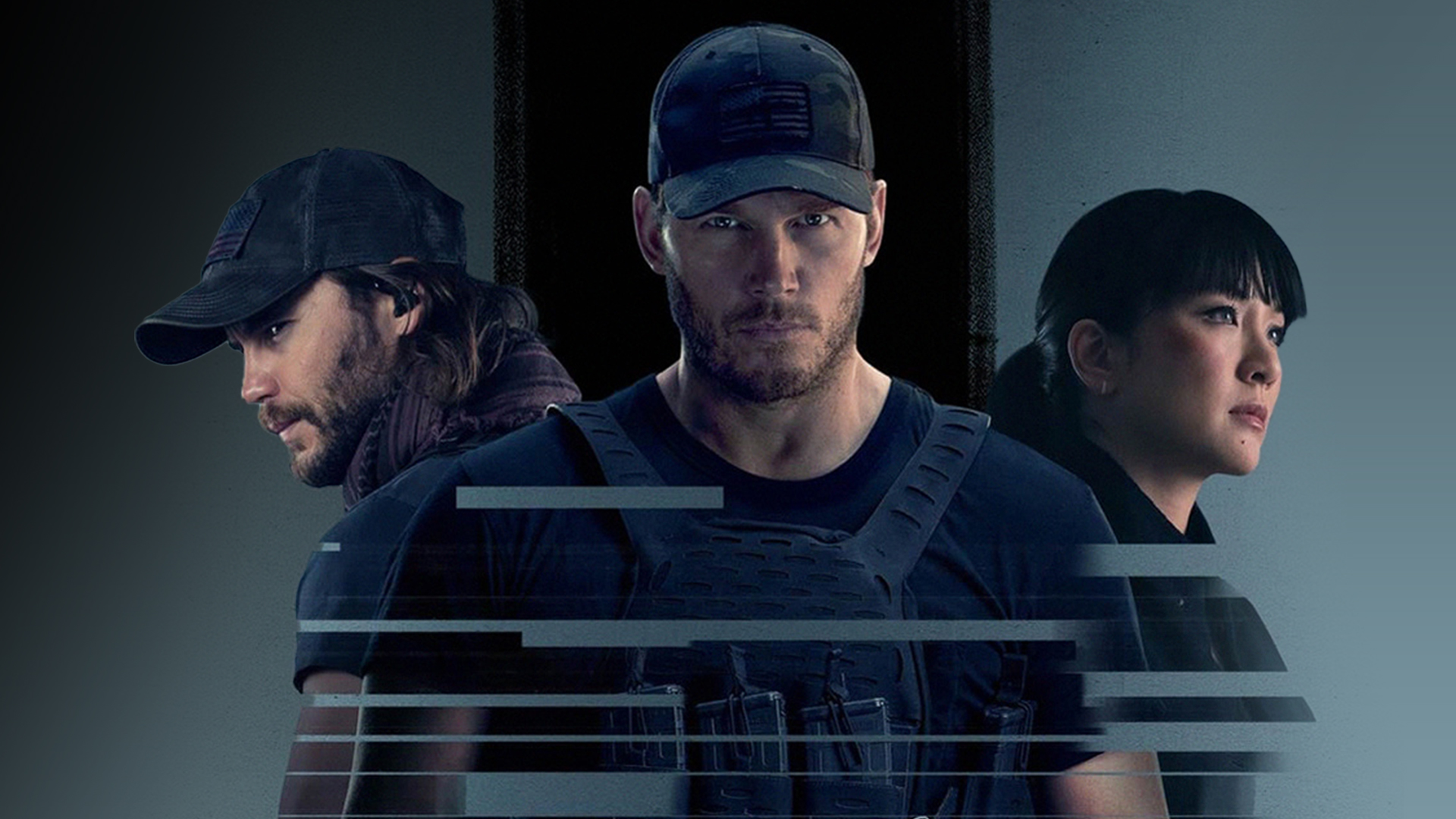
As Reece’s mental state deteriorates, the show plays with perspective, leaving viewers questioning what’s real and what’s a product of his fractured psyche. This narrative device adds a layer of psychological tension rarely seen in modern action dramas. Chris Pratt abandons his usual comedic charm for a somber, haunted portrayal of a man unraveling. His performance carries the weight of loss and rage, giving the character a quiet, feral intensity that makes every decision feel both personal and tragic.
The direction by Antoine Fuqua amplifies this emotional intensity through stark, gritty visuals and meticulously crafted action sequences. The gunfights are brutal, realistic, and unromanticized, emphasizing precision and purpose rather than spectacle. The cinematography mirrors Reece’s state of mind—dark, fragmented, and claustrophobic—while the sound design keeps viewers on edge, blending silence and chaos in equal measure. The pacing is deliberate, allowing tension to simmer before erupting in moments of raw violence.

Supporting performances from Constance Wu as investigative journalist Katie Buranek and Taylor Kitsch as Reece’s loyal comrade Ben Edwards add depth and humanity to the story. Wu’s character becomes both a moral compass and a truth-seeker, challenging Reece’s actions even as she helps him expose the conspiracy. Kitsch, meanwhile, delivers one of his most nuanced roles, portraying loyalty with heartbreaking complexity as the series builds toward its devastating conclusion.
What sets The Terminal List apart from other military thrillers is its refusal to glorify revenge. Instead, it forces audiences to confront its cost—the moral decay, isolation, and self-destruction that come with it. The series is as much about trauma as it is about justice, examining how far a man can go before he becomes indistinguishable from the monsters he’s hunting.
By the final episode, The Terminal List leaves viewers shaken and contemplative. It’s a story of grief weaponized, of a soldier stripped of everything but his will to uncover the truth. With its emotional weight, powerful performances, and uncompromising realism, The Terminal List (2022) redefines the modern revenge thriller. It’s not just an action series—it’s a haunting exploration of loss, memory, and the moral gray zones of war that refuse to stay buried.


