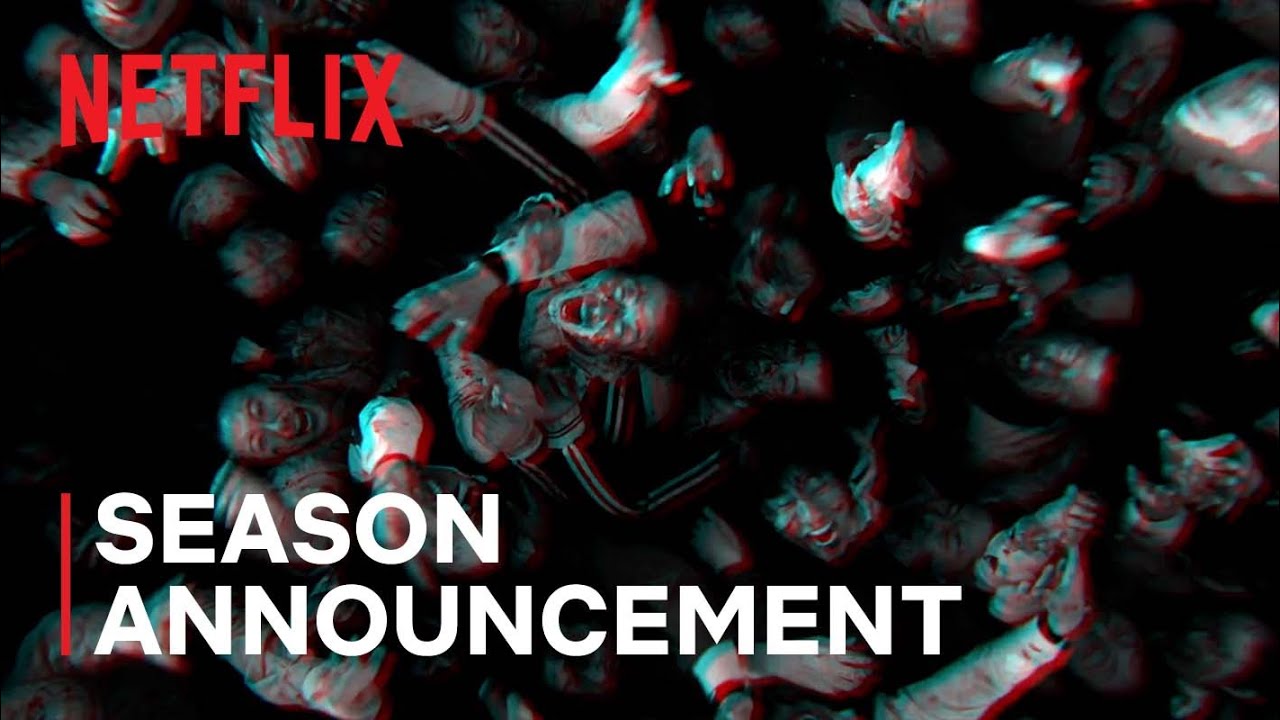
I didn’t expect this story to stay with me—but it did. What starts as another brutal return to Hyosan slowly turns into something darker, more emotional, and honestly… way more terrifying than anyone was prepared for.

Because this time, the zombies aren’t the scariest thing anymore.

Why This Drama Hits So Hard
The first thing this season does brilliantly is refuse to repeat itself. Instead of recycling the same survival formula, the story evolves alongside the virus itself.

And that changes everything.
The infection now feels intelligent. Calculated. Predatory. There’s a constant sense that humanity is losing control one decision at a time.
But here’s what most people missed: underneath all the horror, this season is really about identity.
Who are you when you’re becoming the very thing you fear?
A Quick Overview Without Spoilers
The aftermath of Hyosan should have been the end. Instead, quarantine zones begin collapsing as new variants of the infection spread faster than governments can contain them.
At the center of the chaos is Nam-ra and the “half-bies” — humans trapped somewhere between survival and transformation.
And unlike before, the infected aren’t simply running on instinct anymore.
They adapt.
They learn.
And then… everything changes.
The Characters You Can’t Forget
Nam-ra Steals the Entire Season
Cho Yi-hyun delivers the emotional core of the story with surprising depth. Nam-ra isn’t just fighting monsters — she’s fighting herself.
Every scene with her carries tension because you never fully know which side is winning.
Humanity?
Or hunger?
That internal conflict becomes addictive to watch.
The Group Dynamic Feels More Mature
Lomon, Yoon Chan-young, and Park Ji-hu all return with stronger chemistry and heavier emotional baggage.
The friendships feel worn down by trauma now. Conversations carry weight. Silence says more than dialogue sometimes.
And when trust starts breaking apart… you feel it.
What Makes This Season So Addictive?
- The pacing is relentless without feeling messy
- The emotional stakes are far stronger than Season 1
- The evolved infection creates unpredictable tension
- The action sequences are bigger and smarter
- The moral dilemmas hit harder than expected
This isn’t just people running from zombies anymore.
It’s survival mixed with psychological horror.
And somehow, the series makes you sympathize with monsters you should probably fear.
The Scene That Everyone Will Talk About
There’s a mid-season sequence inside one of the collapsing quarantine zones that completely changes the tone of the series.
No spoilers.
But the moment the infected begin coordinating instead of attacking randomly?
Chills.
Absolute chills.
It’s the kind of scene that makes you pause the episode and just stare at the screen for a second.
Strengths That Make It Stand Out
- Visually darker and more cinematic
- Excellent tension-building
- Stronger emotional storytelling
- Better character development
- Smart evolution of zombie lore
- Huge binge-watch energy
But It’s Not Perfect
- The first episode takes a little time to fully settle in
- Some side characters deserved more screen time
- A few emotional moments feel slightly stretched
Still, those issues barely slow the momentum down.
Once the story locks in… good luck stopping.
What Viewers Are Saying
- Emma Collins: “I planned to watch one episode before bed. I finished six.”
- Jason Reed: “Nam-ra might be one of the best K-drama characters in years.”
- Sophia Turner: “The evolved zombies are TERRIFYING. Season 1 feels tame now.”
- Daniel Brooks: “This season somehow feels bigger, smarter, and more emotional at the same time.”
- Amanda Lee: “I actually got emotionally attached to characters I thought I hated.”
- Chris Morgan: “That quarantine zone episode? Unreal.”
- Rachel Kim: “The tension never lets you breathe.”
- Tyler Bennett: “One of the most binge-worthy survival dramas Netflix has released in years.”
Final Verdict
Most zombie sequels get louder.
This one gets smarter.
That’s what makes it dangerous.
Instead of relying only on gore or chaos, the story evolves into something more psychological, more emotional, and honestly… more human.
The horror works because the characters feel real.
The action works because the stakes feel personal.
And the emotional moments hit because deep down, this season isn’t asking how to survive zombies.
It’s asking how much humanity survives after fear takes over.
Dark, intense, emotionally messy, and ridiculously binge-worthy — this might end up becoming the K-drama everyone talks about for the rest of 2026.
Frequently Asked Questions
Is this season better than the first one?
For many viewers, yes. It’s darker, smarter, and emotionally stronger while expanding the infection concept in fresh ways.
Do I need to watch Season 1 first?
Absolutely. The emotional connections and character arcs hit much harder if you know what happened previously.
Is the new season more horror-focused?
Yes, but it also leans heavily into psychological tension and emotional conflict.
Are the zombies actually smarter this time?
That’s one of the season’s biggest twists — and it changes the entire survival dynamic.
Is it binge-worthy?
Dangerously binge-worthy. The cliffhangers are brutal.