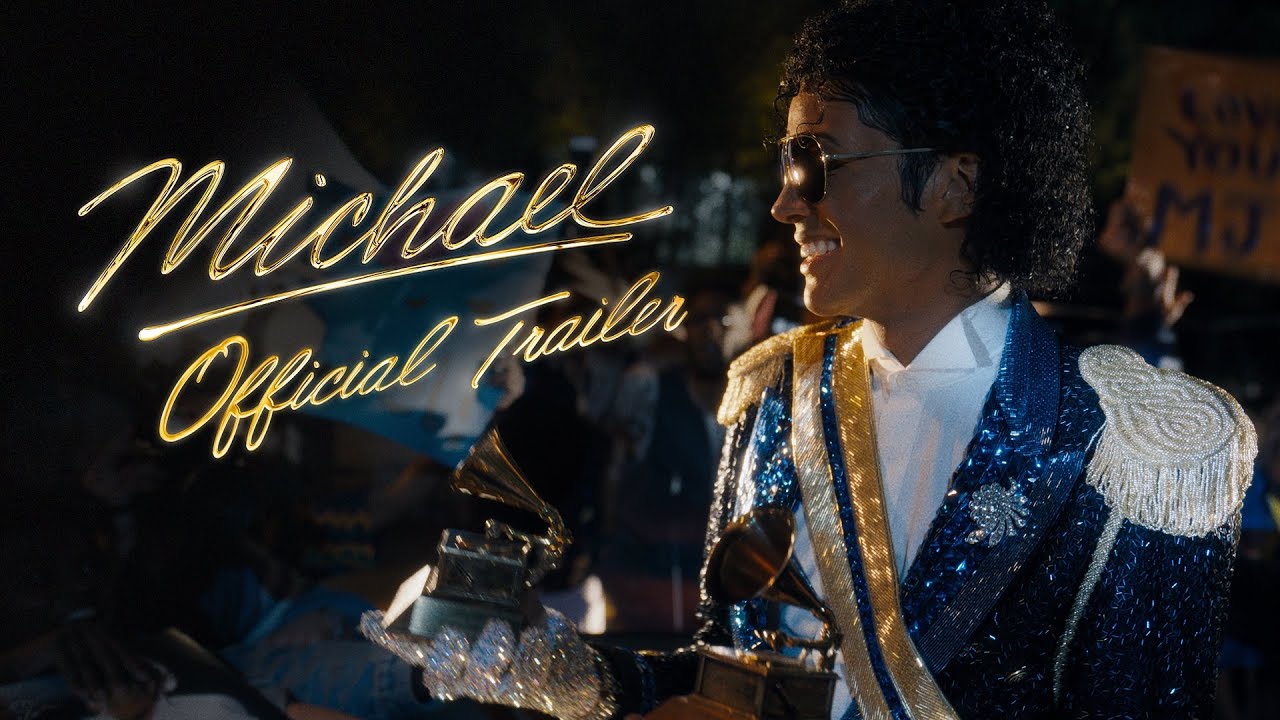
This isn’t just another music biopic—it’s a full-scale cinematic experience that somehow feels both massive and painfully intimate at the same time. And honestly? I wasn’t prepared for how emotional some of these scenes would hit.

By the halfway point, it becomes clear this story isn’t really about fame. It’s about loneliness, pressure, obsession… and the impossible cost of becoming a global icon.

A Spectacle Worth Watching on the Big Screen
From the very first concert sequence, the film throws you straight into the cultural explosion of the 1980s and 90s. The lights. The screaming crowds. The tension backstage. Every frame feels alive.

But what surprised me most was how carefully the story avoids turning its central figure into some untouchable myth. Instead, it peels back the performance layer by layer.
And then… everything changes.
The deeper the story goes, the more it reveals the fragile human being hiding beneath the superstardom.
Why This Performance Feels So Uncomfortably Real
Jaafar Jackson delivers something far more difficult than imitation. He captures mannerisms, yes—but more importantly, he captures emotional exhaustion.
There’s a quiet sadness behind the eyes in several scenes that honestly lingers long after the credits roll.
Some performances feel rehearsed.
This one feels lived in.
Colman Domingo brings an intimidating intensity as the demanding father figure whose relentless pressure shapes nearly every decision. Their scenes together are some of the film’s strongest—and also its hardest to watch.
Meanwhile, Miles Teller adds a surprisingly grounded presence amid the chaos of celebrity, corporate control, and public scrutiny.
The Scene That Stole the Show
Without spoiling too much, there’s a sequence involving the Dangerous era that completely shifts the emotional weight of the film.
At first, it plays like another triumphant performance moment.
But then the camera lingers a little too long backstage.
You suddenly realize the applause isn’t fixing anything anymore.
That moment? Chilling.
What Makes This Film Different From Typical Music Biopics?
- The concert recreations feel enormous without becoming empty spectacle
- The emotional pacing gives quieter scenes room to breathe
- It explores fame as isolation rather than fantasy
- The visual design captures the era perfectly
- The soundtrack integration feels natural instead of forced
But here’s what most people missed…
The film’s smartest decision is refusing to rush through the emotional consequences of global fame. It allows silence to sit uncomfortably in scenes where most blockbuster biopics would just cut to another musical montage.
Where The Film Slightly Stumbles
Not every subplot lands with equal impact.
Some sections involving industry politics slow the momentum slightly, especially in the middle act. A few viewers may also wish certain controversial moments were explored with more depth instead of emotional implication.
Still, the emotional core remains incredibly strong throughout.
Visually Stunning. Emotionally Heavy.
The cinematography deserves serious attention here.
Concert scenes explode with color and movement, while the quieter Neverland sequences feel strangely isolated and dreamlike. That contrast becomes more haunting as the story progresses.
You can feel the loneliness growing even when surrounded by millions of fans.
That’s the part that stays with you.
What Viewers Are Saying
- Daniel Brooks: “I expected nostalgia. I didn’t expect to get emotional.”
- Samantha Lee: “The concert scenes gave me chills. Absolutely huge on the big screen.”
- Marcus Hill: “Jaafar Jackson disappears into the role. Unreal performance.”
- Emily Carter: “There’s one backstage scene I genuinely can’t stop thinking about.”
- Ryan Foster: “Way deeper and sadder than I expected—in the best way.”
- Olivia Bennett: “This felt less like a movie and more like stepping into an era.”
- Kevin Ross: “The emotional weight completely caught me off guard.”
- Natalie Green: “One of the rare biopics that actually feels human.”
Final Verdict
Some films entertain you for two hours.
This one follows you home afterward.
What makes this story work isn’t just the music, the performances, or the spectacle—though all of those are impressive. It’s the uncomfortable humanity underneath everything.
The pressure. The isolation. The desperate need to create perfection while quietly falling apart inside.
And somehow, despite all its grandeur, that’s what makes the film feel painfully personal.
A visually stunning, emotionally raw cinematic tribute that understands the difference between fame… and legacy.
Frequently Asked Questions
Is this worth watching in theaters?
Absolutely. The concert sequences and sound design feel built for the big screen experience.
Do you need to know the artist’s history beforehand?
Not really. The film explains enough for newcomers while still rewarding longtime fans.
Is the movie more emotional or more musical?
Surprisingly emotional. The music is incredible, but the emotional isolation becomes the film’s real focus.
Does the pacing stay strong throughout?
Mostly yes, though the middle section slows briefly due to industry and legal subplots.
Is Jaafar Jackson actually convincing in the role?
More than convincing. It’s one of those performances where you eventually stop comparing and simply believe what you’re watching.